Ex Libris: A Short History of the Bookplate

A small printed label that says whose book this is, and often much more. Where bookplates came from, what they show, and why collectors started collecting the labels themselves.
A small printed label that says whose book this is, and often much more. Where bookplates came from, what they show, and why collectors started collecting the labels themselves.

For most of history, reading meant reading out loud. From monastery refectories to Dickens’s public readings and Victorian family evenings, how the habit worked and why it faded.

Every film of Jane Eyre has to decide what to do with a first-person narrator who argues with the reader. What the major adaptations keep, cut and change, scene by scene.

Great books that take an evening or a weekend, not a month. Short classics from Melville to Woolf, with why each one earns its reputation in so few pages.

Stories that happen among the shelves: secondhand shops, closed libraries and the people who run them. A reading list with what each book does with its setting.
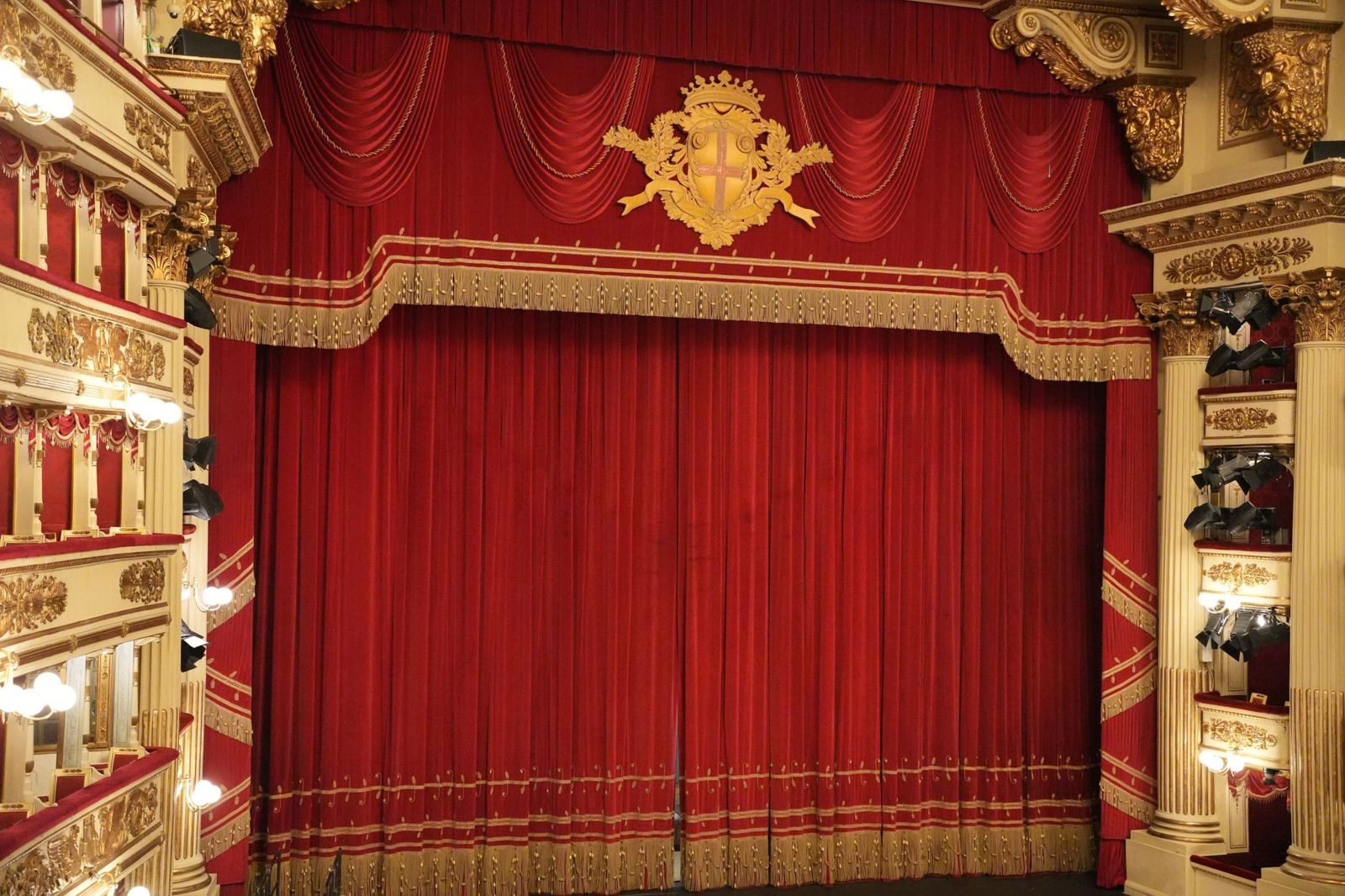
Carmen, La Traviata, Eugene Onegin and more began as novels or novellas. What each composer took from the book, and what had to go to fit a story into an evening of singing.

Light from a window on the left, a wall that is never quite white, and small dots of paint that read as gleam. How Vermeer’s handful of paintings get their light, looked at one by one.

Painted from memory at the asylum in Saint-Rémy, with a village that was not in his view. What is actually on the canvas, what Van Gogh’s letters say about it, and what they do not.

A nose that leaves its owner’s face and gets promoted above him. Gogol’s most absurd lines, in public-domain translations, with the story or chapter each comes from.

A whaling novel that stops for sermons, cetology lectures and a chapter on the whiteness of a whale. The oddest sentences in Moby-Dick, with the chapter and what Melville is doing.